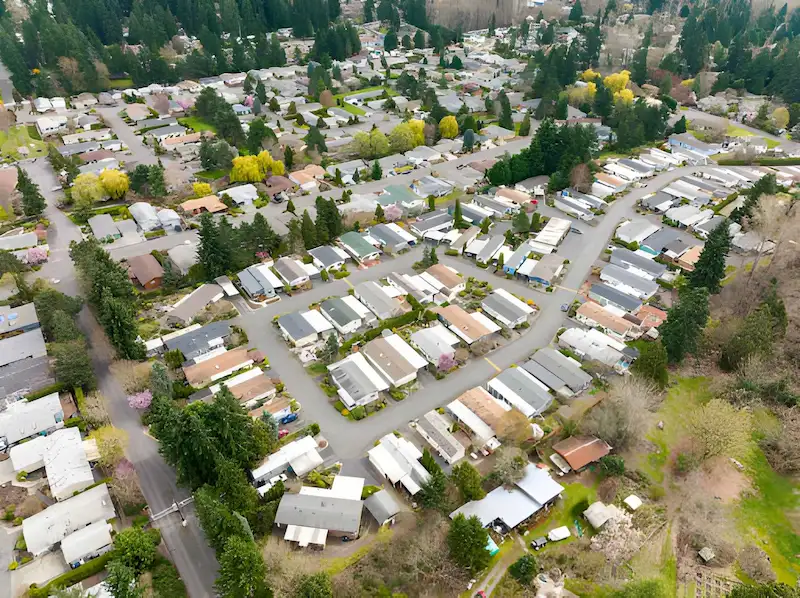
Septic Design for Mobile Home Parks
Mobile home parks function like small communities, with multiple homes relying on a single wastewater treatment approach. Many parks in Washington use on‑site septic systems rather than public sewer, and those systems must be designed to handle the combined flow from all units while meeting state and county health‑department rules.
Because each mobile home lot generates wastewater, the overall design must account for the total number of homes, peak usage times, and soil conditions across the entire park. A properly designed park system protects groundwater, avoids overloading, and reduces the risk that a problem in one area can affect the entire community.
How Park‑Wide Septic Systems Work
Instead of individual septic systems under each home, mobile home parks typically use a centralized or community‑style septic layout. All homes connect to common piping that feeds shared tanks and one or more drain field areas. The design must show how flows from different sections of the park come together, where treatment occurs, and how the system handles surges during peak use.
- The number of mobile homes determines the total design flow in gallons per day.
- Tank sizing accounts for simultaneous use from multiple units during mornings and evenings.
- Drain field area is calculated using soil percolation and total daily flow.
- Underground piping routes connect each lot to the main tank or interceptor.
- Reserve area is set aside for future field replacement or system expansion.
- Access points and risers are placed so pumps and maintenance crews can reach key components.
Design for a mobile home park also includes separate considerations for future growth. If the park adds more homes or remodels existing lots, the system should allow for expansion without requiring a complete rebuild. A clear site and soil evaluation helps confirm where new fields can be located and how the layout complies with local setback requirements.
Design for Ongoing Park Management
Mobile home park septic systems benefit from clear management and maintenance plans. The design documents can include notes for pumping schedules, inspection routines, and capacity limits that help park owners avoid overloading the system. Routine maintenance reduces the risk that a failing component will make part of the park temporarily uninhabitable.
Because mobile home parks often have older infrastructure, the design may need to upgrade or replace portions of the original system while keeping the rest operational. The design can show phased improvements, such as adding a new drain field while the older field remains in use, or replacing aging tanks and piping over time.
Designs for multi‑unit communities like parks also fit within King, Pierce, and Thurston County rules for larger on‑site systems. Whether you are developing a new park or upgrading an existing one, the goal is a system that passes health‑department review and supports long‑term wastewater treatment for the entire community.
Design a Reliable System for Your Mobile Home Park
If you own or manage a mobile home park, proper septic design is essential for protecting residents and meeting local regulations. All Septic Designs LLC prepares detailed plans for park‑wide systems across King, Pierce, and Thurston Counties. Explore our full range of services on the Services page, or contact us to discuss options for your mobile home park and get a clear, code‑compliant wastewater design.